
Ant & Termite Control
Ant & Termite Control in Southern Connecticut
Ants and termites can both threaten a property, but they behave in very different ways. Ants often make themselves obvious by trailing across kitchens, bathrooms, patios, and foundation areas, while termites may remain hidden inside wood or soil before damage becomes noticeable. Soundview Wildlife and Pest Control provides professional ant and termite control throughout Southern Connecticut for homeowners and businesses that want a targeted approach instead of temporary relief.
We serve Madison, Guilford, Branford, Clinton, New Haven, Killingworth, New London, and surrounding communities across New Haven, Middlesex, and New London Counties. Coastal moisture, wooded lots, older housing stock, landscaping close to foundations, and seasonal temperature changes can all contribute to pest pressure in this region. Carpenter ants may be drawn to damp or compromised wood, while subterranean termites can move from the soil into structural wood without being immediately visible.
Our process begins with identifying the pest, locating activity, and evaluating the conditions supporting the infestation. From ant trails around a kitchen to suspected termite activity near a basement wall or foundation, we build treatment around the species, structure, and extent of the problem. The goal is to address active pests while reducing the conditions that make repeat infestations more likely.
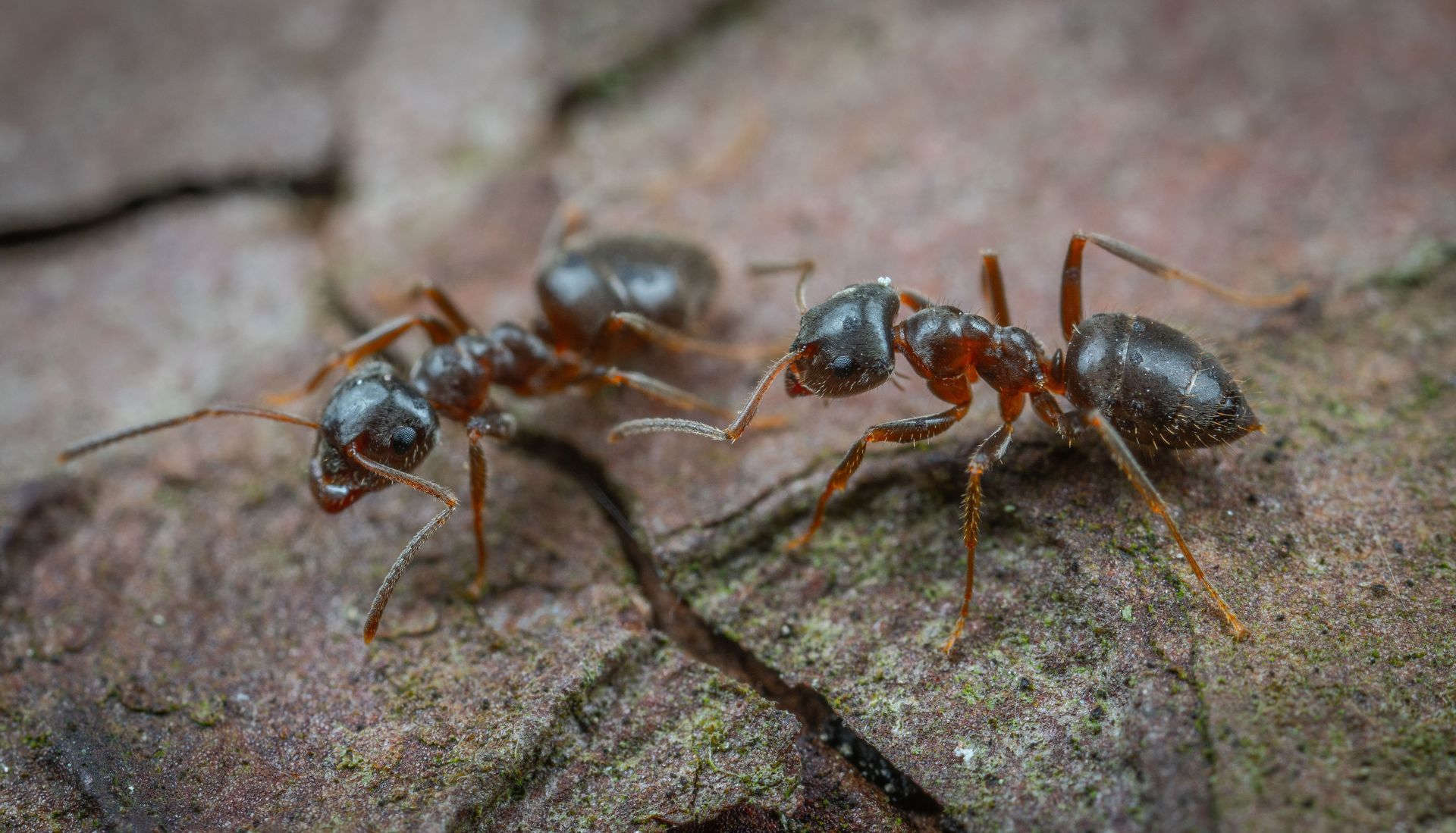
Targeted Ant and Termite Treatment for Connecticut Properties
Ant control starts with proper identification. Carpenter ants, pavement ants, odorous house ants, and other species do not all respond the same way. Some nest inside or near structures, while others travel in from exterior areas. Our technicians inspect where ants are appearing, track likely nesting areas, and determine whether moisture, food, cracks, or landscaping are helping support the colony.
Depending on the infestation, treatment may include baiting systems, perimeter applications, crack-and-crevice treatments, or other targeted methods. Products such as Advance Ant Bait, Alpine Dust, Tempo, and Demand CS may be selected based on the pest and treatment area. Every product is used according to label directions and with consideration for the property and surrounding environment.
Termite control requires a different strategy because activity can stay concealed. Warning signs may include mud tubes along foundations, discarded wings near windows or doors, soft or hollow-sounding wood, blistered finishes, frass, or unexplained changes in flooring or trim. A detailed termite inspection is an important step when activity is suspected.
Our termite service focuses on locating active areas, identifying conducive conditions, and applying treatment where needed. Depending on the property, this may include targeted applications, exterior barrier treatment, monitoring, and follow-up. The objective is to control the colony and strengthen the property’s protection against future termite activity.
Prevention also matters for both pests. Reducing moisture, repairing leaks, improving drainage, keeping vegetation away from the structure, sealing accessible cracks, and limiting wood-to-soil contact can all help. For Southern Connecticut properties where humidity, shoreline conditions, and mature landscaping are common, these changes can support professional pest control.
Ant & Termite Control FAQs
Ant and termite problems can begin quietly, and the first visible signs are not always the full story. A few ants near a sink may be connected to a larger colony inside a wall or outdoors, while termite damage may develop behind finished surfaces where homeowners cannot easily see it. Professional inspection helps separate a minor nuisance from an issue that requires a broader treatment plan.
Homes in Madison and neighboring shoreline communities often include basements, decks, mature landscaping, wood framing, and areas exposed to seasonal moisture. Those conditions can create opportunities for both ants and termites. Recognizing warning signs and addressing contributing conditions can help limit structural damage and repeated pest activity..
What types of ants are common in Connecticut?
Connecticut properties commonly experience carpenter ants, pavement ants, odorous house ants, and other small household ants. Carpenter ants are especially important to identify because they excavate wood to create galleries and are often associated with damp or damaged wood.
Why do ants keep returning after I spray them?
Surface sprays may kill the ants you see without reaching the nest or colony. If food, moisture, entry points, or active nesting areas remain, new ants can continue to appear. Targeted baiting and colony-focused treatment can provide a more complete approach.
Are carpenter ants as damaging as termites?
Both can damage wood, but they do it differently. Carpenter ants excavate wood to create nesting galleries, while termites consume cellulose in wood and other materials. Either problem can become significant when activity continues over time.
What are common signs of termite activity?
Watch for mud tubes, discarded wings, hollow or soft wood, blistering paint or finishes, frass, and changes in floors or trim. Some infestations produce few obvious signs, which is why an inspection may be appropriate when termites are suspected.
How often should a Connecticut property be checked for termites?
The ideal inspection schedule depends on the property, past activity, moisture conditions, and other risk factors. Regular inspections can help identify suspicious conditions earlier, particularly in homes with wood-to-soil contact, damp basements, or a history of termite activity.
What termite and ant treatments do you use?
Treatment is selected after the pest and affected areas are identified. Ant service may use baits, dusts, residual products, perimeter applications, or crack-and-crevice treatments. Termite service may include targeted treatment, barrier applications, monitoring, and prevention measures based on the structure and infestation.
Schedule Ant or Termite Control in Southern Connecticut
If ants are appearing throughout your home or business, or you have found signs that may point to termite activity, Soundview Wildlife and Pest Control can help determine what is happening. We provide ant control, termite inspections, and termite treatment throughout Madison, Guilford, Branford, Clinton, New Haven, Killingworth, New London, and nearby Southern Connecticut communities.
Our technicians look beyond visible pest activity. We evaluate where insects are entering, what conditions may be supporting them, and which treatment approach fits the specific species and property. For ants, that may mean targeting the colony and exterior travel routes. For termites, it may involve inspection, localized treatment, perimeter protection, monitoring, and recommendations for reducing moisture.
Addressing pest problems early can help protect finished surfaces, wood framing, and other parts of the property from continued infestation. If you are seeing ant trails, winged insects, mud tubes, wood damage, or another concerning sign, use the contact form below to describe what you have noticed and where the activity is occurring.
Contact Us
We will get back to you as soon as possible.
Please try again later.