
Squirrel & Groundhog Removal
Squirrel & Groundhog Removal in Southern Connecticut
Squirrels and groundhogs can cause very different types of damage, but both become serious problems when they begin using a home, yard, shed, deck, attic, or foundation area for shelter. Soundview Wildlife Control provides professional squirrel and groundhog removal throughout Southern Connecticut, helping property owners address active wildlife problems while reducing the conditions that allow them to return.
Squirrels often enter buildings from above, using nearby trees, rooflines, vents, soffits, fascia gaps, chimneys, and damaged exterior materials to reach attics or wall spaces. Groundhogs create problems closer to the ground, digging extensive burrows beneath sheds, decks, patios, fences, gardens, and other structures. Their activity can disturb landscaping, damage plants, and weaken soil around areas that need stable support.
Our service area includes Madison, Guilford, Branford, Clinton, New Haven, Durham, Killingworth, Westbrook, Old Saybrook, New London, and surrounding shoreline communities. These areas combine mature tree cover, wooded lots, gardens, older homes, and coastal residential development, giving both squirrels and groundhogs plenty of opportunities to settle near people.
Soundview Wildlife Control uses humane, property-specific methods for both species. We inspect the property, determine where the animals are active, identify entry points or burrows, and recommend removal, exclusion, repair, or prevention measures suited to the situation..
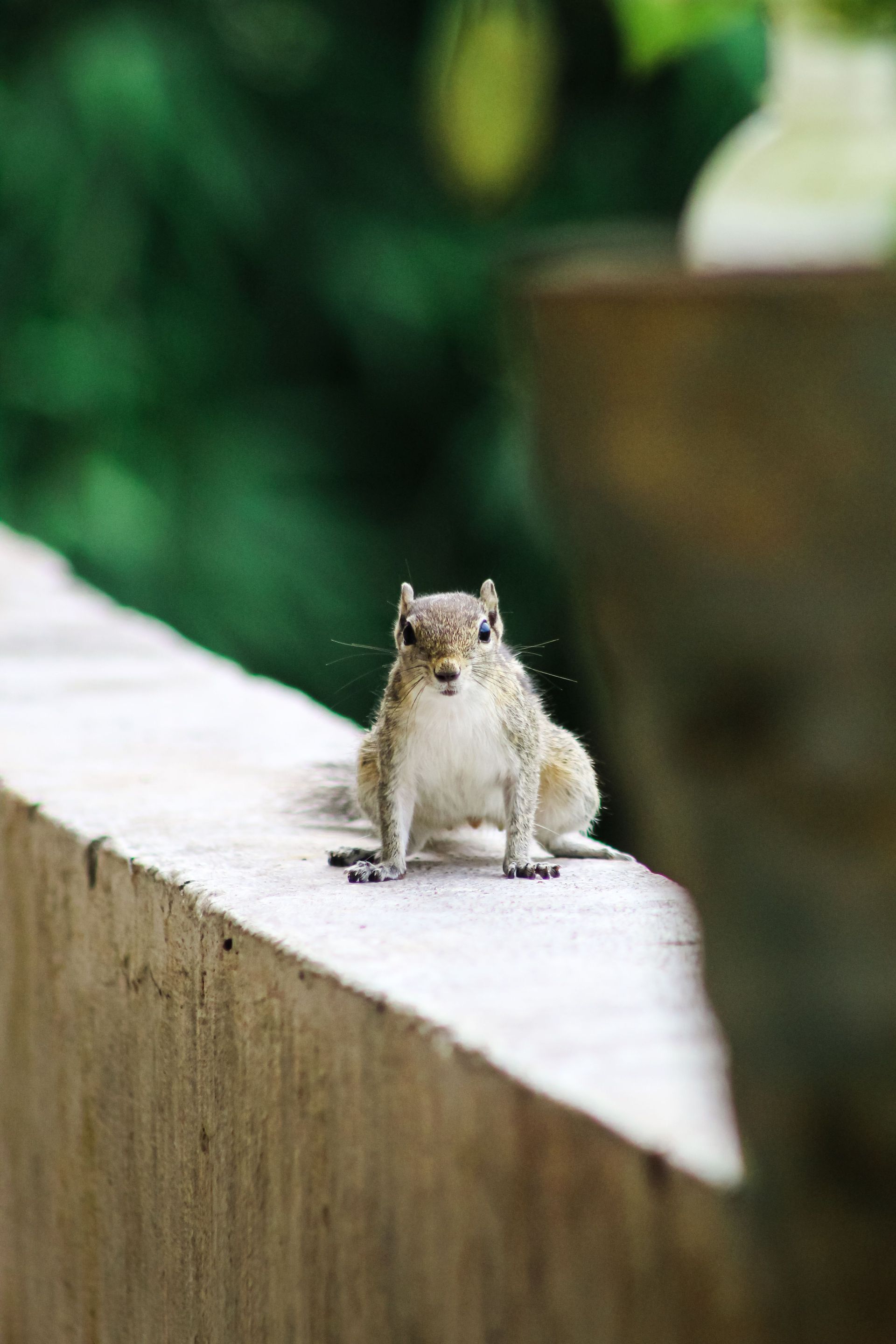
Humane Squirrel and Groundhog Control for Connecticut Properties
Squirrel control starts with understanding how the animal is reaching the structure. Homeowners may hear running, scratching, chewing, or movement in an attic or wall, especially during daytime hours. Other signs can include torn insulation, droppings, nesting material, gnaw marks, damaged vents, or openings along the roof edge. Because squirrels have continuously growing teeth, chewing can become a recurring source of damage once they move inside.
Our squirrel removal process may include inspection, humane trapping or one-way exclusion, sealing access points, reinforcing vulnerable areas, and cleaning affected spaces when needed. Materials such as Xcluder, appropriate sealants, and other exclusion products may be used depending on the construction and size of the opening. The goal is not only to remove the squirrel but also to make the building less accessible afterward.
Groundhog problems require a different strategy. These animals are active during the day and often establish burrows where they have access to vegetation and protected soil. Large holes, fresh dirt, damaged gardens, and repeated sightings around decks, sheds, or fence lines are common indicators. Burrows can extend beneath structures and may also be reused by other animals after a groundhog leaves.
For groundhog control, we inspect burrow locations, evaluate nearby property damage, and determine a humane removal plan. After the activity has been resolved, prevention may include closing burrows, improving barriers, or installing products designed to discourage digging beneath fences, decks, or sheds. By matching the solution to the animal’s behavior, we can address both above-ground and below-ground wildlife problems more effectively.an.
Squirrel & Groundhog Removal FAQs
Squirrel and groundhog activity can escalate quickly because both animals modify the areas they occupy. A squirrel may enlarge an opening around a roofline, while a groundhog can continue extending a burrow system beneath a yard or structure. Early inspection helps determine how extensive the problem has become and what type of repair or exclusion work may be needed.
Southern Connecticut properties can be especially attractive to both species. Mature trees make it easy for squirrels to reach roofs, while gardens, open lawns, sheds, and wooded edges provide ideal groundhog habitat. Homes in Madison, Guilford, Branford, Clinton, Killingworth, and nearby communities may experience one or both types of activity depending on the layout of the property..
How do I know if squirrels are living in my attic?
Common signs include running or scratching sounds during the day, chewing noises, droppings, nesting materials, disturbed insulation, or visible damage around soffits, vents, fascia, and roof edges. You may also notice squirrels repeatedly traveling to the same section of the roof.
What kind of damage can squirrels cause?
Squirrels can gnaw wood, trim, vents, shingles, insulation, and electrical wiring. They may also contaminate attic areas with urine, droppings, and nesting debris. Repeated chewing can enlarge entry points and create additional repair needs if the problem continues.
How can I tell if a groundhog is living on my property?
Large burrow openings, fresh mounds of soil, damaged vegetables or flowers, and daytime sightings are common signs. Groundhogs frequently dig near sheds, decks, patios, fences, foundations, gardens, and other areas that provide cover and easy access to food.
Can groundhog burrows damage structures?
Yes. Burrowing can remove or loosen soil beneath decks, sheds, patios, retaining areas, and other structures. The severity depends on the burrow location and surrounding conditions, but activity close to structural supports should be evaluated rather than ignored.
How are squirrels and groundhogs removed humanely?
The method depends on the species and property. Squirrel control may involve trapping or one-way exclusion, followed by sealing openings. Groundhog control may involve humane trapping and later closure or protection of burrow areas. The strategy is selected after the property is inspected.
What can help prevent squirrels or groundhogs from returning?
For squirrels, prevention may include repairing roofline gaps, damaged vents, soffits, fascia, and other exterior openings. For groundhogs, barriers around decks, sheds, gardens, or fences may help reduce digging. Addressing food sources, shelter opportunities, and vulnerable access points can also lower the chance of repeat activity.
Schedule Squirrel & Groundhog Removal in Southern Connecticut
If you are hearing squirrels in an attic, finding chew damage around a roof, discovering large burrows in the yard, or watching a groundhog repeatedly return to the same area, Soundview Wildlife Control can help identify the source of the problem. We provide squirrel and groundhog removal for residential and commercial properties throughout Madison and neighboring Southern Connecticut communities.
Our approach is built around careful inspection and long-term property protection. For squirrels, that may mean locating roofline access, removing the animal, and securing weak points. For groundhogs, it may mean identifying the burrow system, addressing active wildlife, and improving the areas where digging is occurring. When wildlife has already caused damage, repair and cleanup recommendations can also be incorporated into the plan.
Use the contact form below to tell us what you are seeing or hearing, where the activity is occurring, and whether the issue involves a home or commercial property. The more detail you provide, the easier it is to understand the situation and determine the appropriate next step for professional squirrel or groundhog removal in Southern Connecticut..
Contact Us
We will get back to you as soon as possible.
Please try again later.