
Bat & Bird Removal
Bat & Bird Removal in Southern Connecticut
Bats and birds are important parts of Connecticut’s environment, but they can create serious problems when they begin using attics, vents, chimneys, rooflines, soffits, or other parts of a building for shelter. Soundview Wildlife Control provides professional bat and bird removal throughout Southern Connecticut, helping homeowners and businesses address unwanted wildlife activity with humane, property-focused solutions.
Our service area includes Madison, Guilford, Branford, Clinton, New Haven, East Haven, Durham, Killingworth, New London, Westbrook, Old Saybrook, and surrounding shoreline communities. Homes throughout this region can be especially attractive to bats and cavity-nesting birds because mature trees, wooded lots, coastal habitat, older roof systems, and protected exterior openings provide natural opportunities for roosting and nesting.
Bat and bird problems are often noticed through scratching, fluttering, chirping, droppings, nesting material, staining, or repeated activity around the same portion of a structure. In some cases, the animals themselves remain hidden inside wall voids, attic spaces, roof assemblies, vents, or chimneys. That makes a thorough inspection an important part of determining exactly what is happening.
Soundview Wildlife Control focuses on humane removal and exclusion instead of temporary fixes. Our approach is designed to identify the species involved, locate active access points, resolve the current wildlife conflict, and reduce opportunities for the same problem to return.
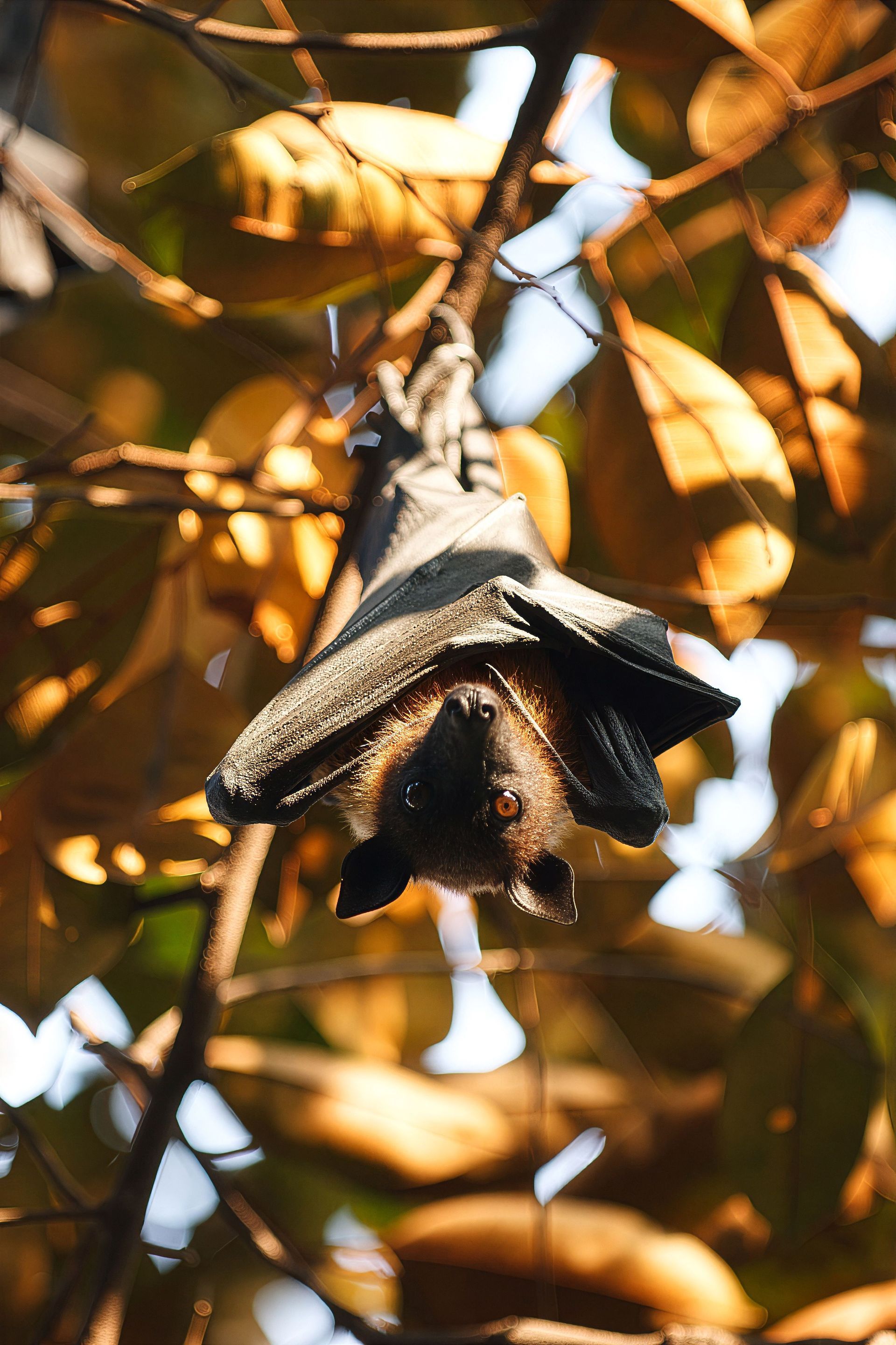
Humane Bat and Bird Control for Connecticut Properties
Bat and bird removal requires more than closing the first opening you find. Both animals can use surprisingly small spaces, and sealing the wrong area at the wrong time may leave wildlife trapped inside the structure. Our technicians inspect rooflines, soffits, fascia, attic vents, gable vents, chimneys, siding transitions, flashing, and other exterior features where activity may be occurring.
For bats, exclusion is often the most effective long-term strategy. When timing and conditions are appropriate, one-way exclusion methods can allow bats to leave a roost while preventing them from returning through the active opening. Once the colony has safely exited, additional gaps can be addressed to help make the structure less accessible in the future.
Timing is particularly important with bat work. Connecticut guidance notes that exclusion should not be conducted during periods when flightless young may be present in a maternity roost. For that reason, we evaluate the situation before determining when exclusion work should occur rather than applying the same approach year-round.
Bird problems require their own strategy. Birds may nest inside vents, roof cavities, chimneys, gutters, exterior openings, or sheltered areas around commercial buildings. Nesting materials can restrict airflow or drainage, while droppings may stain exterior surfaces and accumulated debris can create sanitation concerns. Birds can also introduce mites and other parasites into occupied areas.
Our bird-control work emphasizes careful inspection, humane removal, and prevention. Depending on the location and species, this may include removing nesting material when appropriate, installing screens or exclusion barriers, protecting vents, or recommending habitat modifications. Deterrent options may also be considered for recurring roosting or nesting activity.
Bat & Bird Removal FAQs
Bat and bird issues can look similar from the outside, especially when noises are coming from a roof or attic area. Correctly identifying the animal and determining how it is entering the structure helps avoid ineffective repairs and unnecessary repeat visits.
Southern Connecticut homes can also present unique challenges. Older construction may contain gaps that developed over time, while coastal weather can contribute to deterioration around exterior materials. Even newer properties may have vulnerable vents, roof transitions, chimneys, or utility openings that wildlife can exploit. Understanding the building is just as important as identifying the animal..
How do I know whether I have bats or birds in my attic?
Both can cause scratching, fluttering, or movement sounds, but the timing and evidence may differ. Bats are often more noticeable around dusk and nighttime, while bird activity is usually easier to detect during daylight hours. Droppings, nesting material, exterior staining, and observed entry or exit activity can help identify the source.
How do bats get into homes in Southern Connecticut?
Bats commonly use small gaps along rooflines, soffits, fascia, vents, chimneys, flashing, siding, and areas where different exterior materials meet. They may return to the same roost when access remains available, making careful exclusion and structural sealing important.
Can bird nests damage my home?
Yes. Nesting material can block vents and gutters, interfere with airflow or drainage, and accumulate near building components. Droppings can also stain surfaces, while repeated pecking or scratching may affect siding, insulation, seals, or other exterior materials.
Is bat removal safe for the bats?
Humane bat exclusion is designed to allow bats to leave the structure without unnecessary harm. When conditions are appropriate, one-way devices can permit bats to exit naturally while preventing re-entry. Remaining openings can then be sealed after the structure is confirmed clear.
Can you keep birds from coming back after removal?
Prevention is an important part of bird control. Depending on the property, we may recommend vent covers, screens, netting, exclusion barriers, deterrent systems, or changes around nesting and roosting areas. The appropriate solution depends on the species and building conditions.
What should I do if I find a bat inside my living space?
Avoid handling the bat with bare hands or attempting to capture it without proper guidance. Bats can carry rabies, and direct contact may require medical evaluation. If a bat is discovered inside an occupied area, contact an appropriate wildlife professional and follow health guidance concerning possible exposure.
Schedule Bat & Bird Removal in Southern Connecticut
If bats or birds are nesting, roosting, or entering your property, Soundview Wildlife Control can help determine what is happening and develop an appropriate solution. We provide humane bat and bird removal for residential and commercial properties across Madison, Guilford, Branford, Clinton, New Haven, East Haven, Durham, Killingworth, New London, Westbrook, Old Saybrook, and nearby Southern Connecticut communities.
Our goal is not simply to remove visible wildlife. We examine how the animals are using the building, where they may be entering, and which structural conditions could contribute to repeat activity. That may involve exclusion devices, vent protection, sealing vulnerable openings, removing nesting material, cleaning affected areas, or repairing damage related to wildlife entry.
If you are hearing noises in an attic, noticing birds around vents, seeing bats emerge near the roofline, or finding droppings or nesting material around your property, use the contact form below to describe the issue. Include where the activity is occurring and what you have observed so our team can better evaluate the next step for professional bat and bird removal in Southern Connecticut..
Contact Us
We will get back to you as soon as possible.
Please try again later.