Wildlife Damage Repair
Wildlife Damage Repair in Southern Connecticut
Wildlife can leave behind more than noise and frustration. Once raccoons, squirrels, bats, rodents, birds, or other animals gain access to a home or commercial property, they may damage roofing, insulation, wiring, ceilings, walls, vents, soffits, and other structural components. Soundview Wildlife Control provides professional wildlife damage repair throughout Southern Connecticut to help restore affected areas and reduce the risk of animals returning through the same vulnerable openings.
We serve Madison, Guilford, Branford, Clinton, Killingworth, New Haven, New London, and surrounding communities across the Connecticut shoreline. Properties in this region can be especially vulnerable to wildlife entry because of mature trees, wooded lots, coastal weather, aging exterior materials, roof transitions, and seasonal temperature changes. Even a small weakness in a soffit, vent, flashing detail, or foundation area can become an access point for an animal seeking shelter.
Our wildlife damage restoration services address both visible and hidden problems caused by animal activity. That can include damaged roofing, torn insulation, contaminated attic areas, gnawed wiring, compromised vents, damaged ceilings, wall cavities, or entry holes around the exterior. We also provide preventative repairs designed to strengthen areas animals may otherwise use again.
The goal is not simply to make a damaged section look better. Effective wildlife repair should restore the affected area while addressing how the animal gained access in the first place..
Repairing Wildlife Damage From the Roofline to the Interior
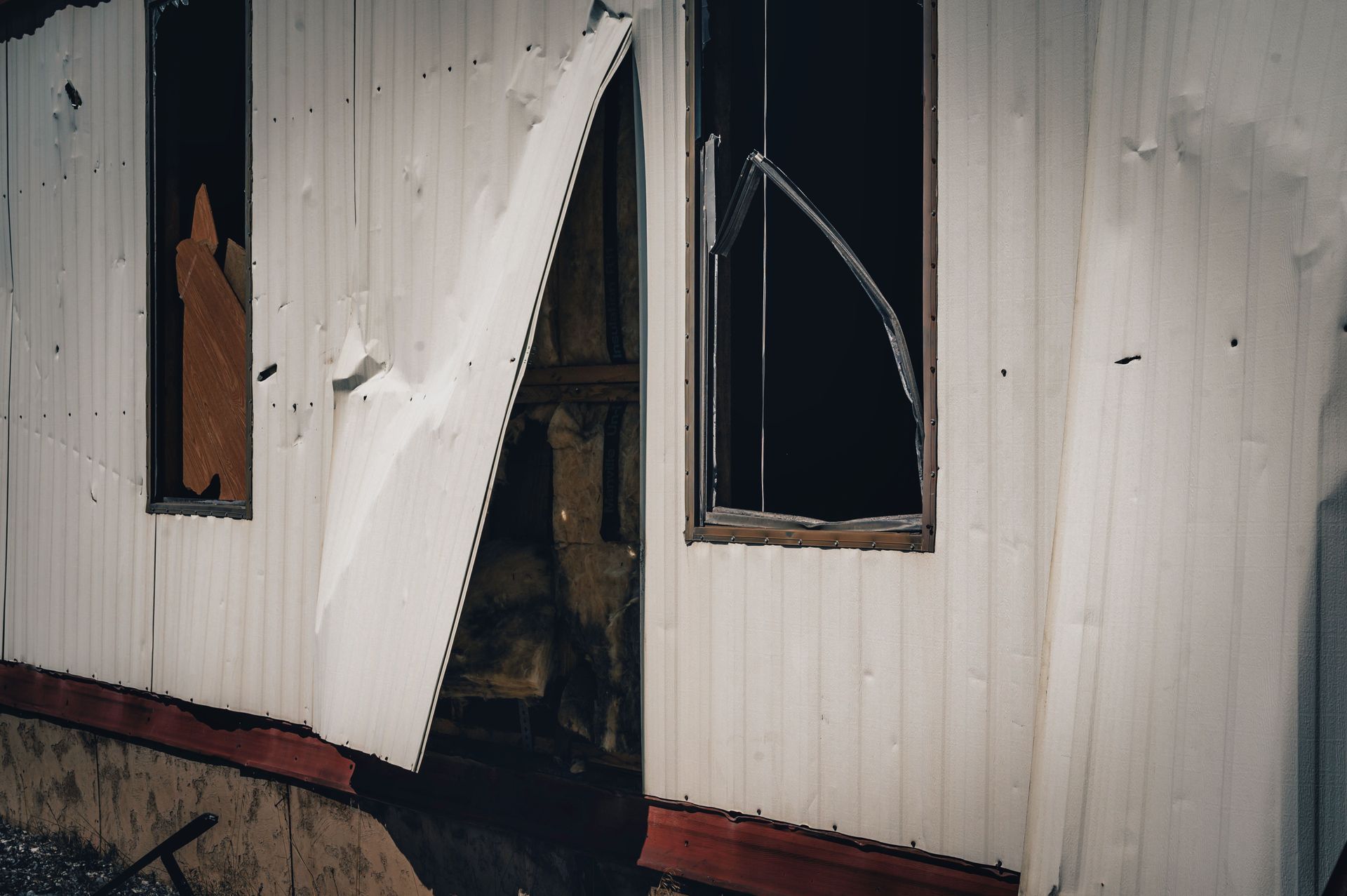
Different animals leave different types of damage behind. Squirrels and rodents may gnaw on wiring, wood, insulation, or other materials. Raccoons can force their way through weak roof areas, vents, or soffits. Bats may use narrow openings along rooflines or exterior transitions, while birds can introduce nesting debris into vents, chimneys, and other cavities. Understanding the animal involved helps us determine which parts of the property should be inspected.
Soundview Wildlife Control provides attic and roof repair for openings, damaged insulation, compromised roof components, and other areas affected by nesting wildlife. We can also address walls, floors, and ceilings where animal activity, contamination, gnawing, or related moisture intrusion has caused deterioration.
Electrical damage is another important concern. Rodents and squirrels are known for chewing, and damaged wiring can create a serious property hazard. When wildlife activity has affected electrical components, the damaged areas should be evaluated and repaired appropriately rather than ignored after the animal is gone.
Sanitation and decontamination may also be necessary when droppings, urine, nesting material, or odors remain inside an attic, crawl space, wall cavity, or other enclosed area. Depending on the extent of the problem, contaminated material may need to be removed and affected surfaces cleaned and disinfected.
Preventative repair is an equally important part of the process. Entry holes, weakened vents, damaged soffits, gaps around roof features, and other access points can be reinforced or sealed so another animal is less likely to take advantage of the same area. By connecting wildlife removal with repair and exclusion, we help create a more complete solution for Southern Connecticut property owners.
Wildlife Damage Repair FAQs
Wildlife damage is not always easy to spot from the ground. A homeowner may hear scratching or movement for weeks before discovering torn insulation, damaged ductwork, droppings, or a compromised vent inside the attic. In other cases, the animal may be gone, but the damage it caused remains.
Homes along the Connecticut shoreline can also face exterior wear from wind, moisture, temperature changes, and seasonal storms. When wildlife exploits these weakened areas, a minor opening can turn into a larger entry point. A professional inspection can help identify what needs to be restored, cleaned, reinforced, or sealed..
What types of wildlife damage can you repair?
Wildlife damage repair can include affected roofing, soffits, vents, fascia, insulation, walls, ceilings, floors, entry openings, and other structural areas. We also address contamination from droppings, urine, nesting debris, and odors when appropriate.
Can squirrels and rodents damage electrical wiring?
Yes. Squirrels, mice, rats, and other rodents may chew electrical wiring while moving through attics, walls, or other concealed spaces. Damaged wiring can create a potential fire or electrical hazard, so visible or suspected damage should be evaluated instead of being left untreated.
Do you repair attics after animals have been removed?
Yes. Attic restoration may involve repairing access points, addressing damaged insulation, removing contaminated materials, cleaning affected areas, and correcting damage around vents, rooflines, or other entry locations. The exact work depends on what the inspection reveals.
Why is exclusion important after wildlife damage?
If the animal’s entry point remains open, another animal may use the same route into the property. Exclusion focuses on repairing or reinforcing vulnerable areas after the wildlife issue has been resolved, helping make the structure more resistant to repeat entry.
Can wildlife droppings and nesting materials be cleaned up?
Yes. Wildlife can leave urine, droppings, nesting material, odors, and contaminated debris behind. Sanitation and decontamination services may include removing affected materials, disinfecting surfaces, treating odors, and determining whether damaged insulation or other materials should be replaced.
How do I know if wildlife caused hidden damage?
Possible warning signs include recurring attic noises, unusual odors, stains, damaged vents, torn insulation, chewed materials, unexplained drafts, or evidence of animals entering and leaving the same area. An inspection can help determine whether damage extends beyond what is immediately visible.
Schedule Wildlife Damage Repair in Southern Connecticut
If wildlife has damaged your roof, attic, insulation, wiring, walls, vents, ceilings, or other parts of your property, Soundview Wildlife Control can help determine what needs to be restored. We provide wildlife damage repair for residential and commercial properties throughout Madison, Guilford, Branford, Clinton, Killingworth, New Haven, New London, and neighboring Southern Connecticut communities.
Our process considers both the damage and the wildlife activity that caused it. We inspect the affected areas, identify structural vulnerabilities, evaluate contamination, and recommend repairs based on the actual condition of the property. Depending on the situation, service may involve exterior repair, interior restoration, sanitation, damaged material removal, sealing access points, or reinforcing vulnerable areas.
Repairing wildlife damage promptly can help prevent further deterioration and reduce the chance that another animal uses the same opening. Even after the noise stops, hidden contamination or structural damage may remain, making a thorough assessment worthwhile.
Use the contact form below to describe the damage you have noticed, where it is located, and whether wildlife is still active on the property. Include any information about noises, droppings, odors, visible openings, damaged insulation, or exterior deterioration so we can better understand the situation and determine the next step for wildlife damage repair in Southern Connecticut.
Contact Us
We will get back to you as soon as possible.
Please try again later.