
Raccoon, Opossum & Skunk Removal
Raccoon, Opossum & Skunk Removal in Southern Connecticut
Raccoons, opossums, and skunks are common throughout Southern Connecticut, but problems begin when these animals start denning beneath decks, entering crawl spaces, damaging attics, raiding trash, or repeatedly returning to areas around a home or business. Soundview Wildlife Control provides professional raccoon, opossum, and skunk removal throughout Madison, Guilford, Branford, Clinton, New Haven, and surrounding communities across New Haven, Middlesex, and New London Counties.
Each of these animals behaves differently. Raccoons are strong climbers capable of reaching rooflines, soffits, vents, chimneys, and attic spaces. Opossums usually look for protected areas closer to the ground, including garages, crawl spaces, sheds, and spaces beneath porches. Skunks commonly establish dens under decks and structures or move through lawns searching for insects and other food.
Southern Connecticut properties can be especially attractive to nuisance wildlife because wooded neighborhoods, shoreline habitats, gardens, mature landscaping, older buildings, and accessible outdoor food sources provide shelter and feeding opportunities. Homeowners may first notice nighttime noises, damaged exterior materials, overturned garbage, tracks, droppings, unusual odors, or repeated sightings near the same location.
Our approach focuses on identifying the animal, understanding how it is using the property, and choosing humane control methods appropriate for the situation. Removal is only part of the solution. When possible, we also address access points, denning areas, contamination, and structural vulnerabilities that could contribute to recurring wildlife activity..
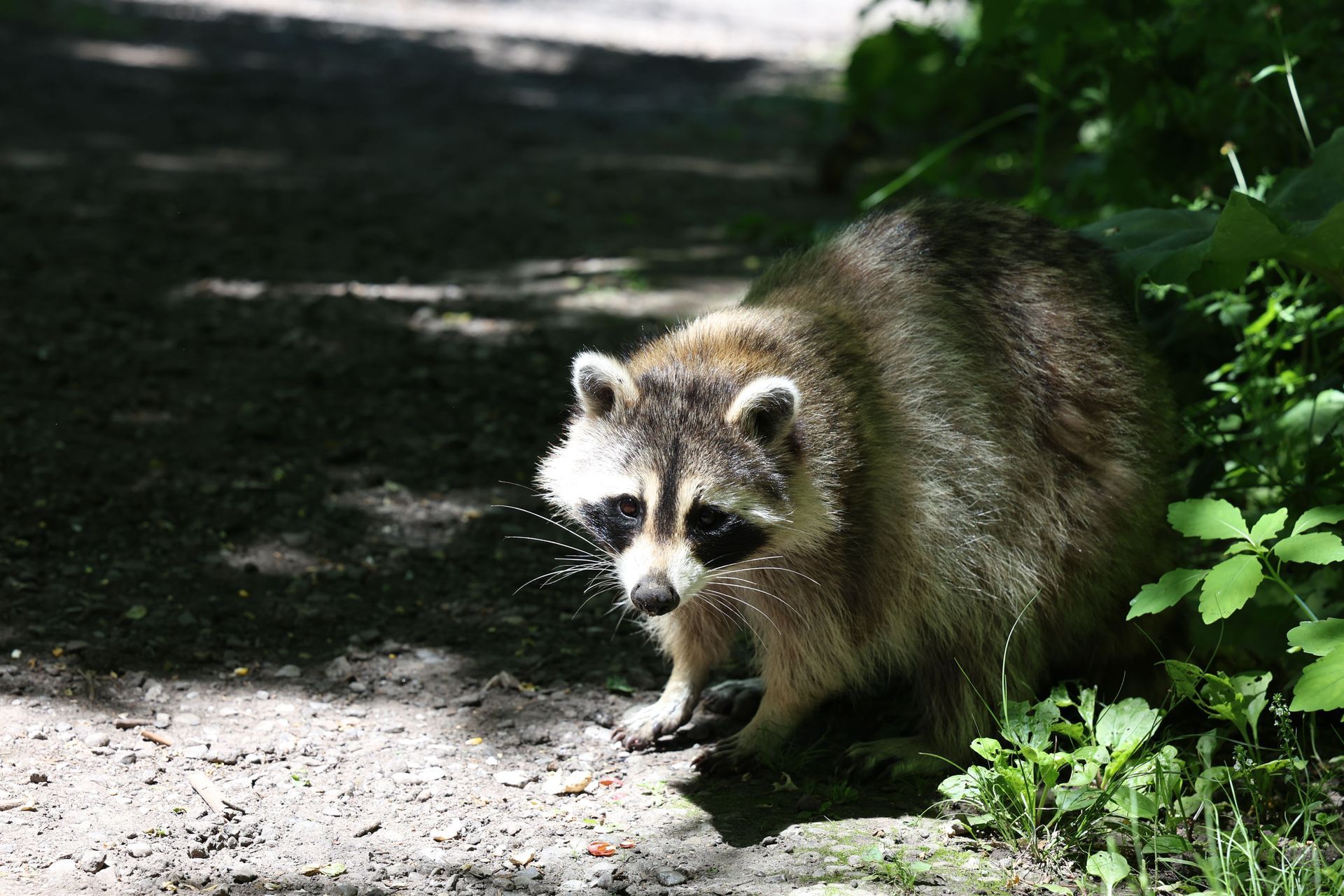
Humane Removal, Exclusion and Property Protection
Raccoon activity often becomes obvious because of the amount of disturbance these animals can create. Heavy movement or thumping in an attic during nighttime hours, displaced insulation, damaged vents, torn soffits, and strong odors can all indicate a raccoon has entered the structure. Because raccoons are persistent and capable of widening weak openings, an inspection should include both the active area and surrounding exterior features.
Opossums typically create less structural damage than raccoons, but they can still become disruptive when they establish shelter close to occupied spaces. They may be attracted by pet food, garbage, fallen fruit, compost, or protected areas beneath buildings. Once inside a garage, crawl space, or similar location, waste, nesting debris, fleas, ticks, mites, and odor can create additional concerns.
Skunks require careful handling because they may spray when they feel threatened. Persistent odor, shallow cone-shaped holes in lawns, nighttime movement, and activity beneath porches or sheds may indicate a nearby den. Their digging can damage turf and landscaped areas, while a skunk living beneath a structure can create odor problems near crawl spaces or ventilation systems.
Soundview Wildlife Control evaluates each situation before determining the right approach. Humane trapping may be used when appropriate, followed by cleanup, sanitation, exclusion, or repair work based on what is found. Entry points can be reinforced or sealed, denning areas can be addressed, and barriers may be recommended around decks, sheds, crawl spaces, or other recurring problem spots.
The objective is to resolve the current conflict without overlooking why the animal chose the property in the first place. Removing easy access to shelter and food can make a significant difference in reducing repeat activity.
Raccoon, Opossum & Skunk Removal FAQs
Nocturnal wildlife problems can be difficult to identify because much of the activity occurs after dark. A homeowner may hear movement but never see the animal responsible, or notice yard damage without knowing whether it came from a skunk, raccoon, or another species. Tracks, droppings, entry damage, odors, disturbed garbage, and the location of the activity all provide useful clues.
Properties around Madison and Connecticut’s shoreline also vary considerably. A wooded lot may provide direct access from trees to a roof, while a home near a marsh or coastal habitat may see more wildlife moving through the yard. Decks, sheds, gardens, crawl spaces, garages, and unsecured exterior openings can all provide attractive shelter.
How can I tell if a raccoon is living in my attic?
Raccoons often create heavier sounds than smaller wildlife. You may hear thumping, walking, scratching, or tearing during nighttime hours. Other signs include damaged soffits or vents, displaced insulation, droppings, strong odors, or visible damage around the roofline where the animal gained access.
Why are opossums staying around my home?
Opossums are usually looking for food and protected shelter. Garbage, outdoor pet food, fallen fruit, compost, and accessible areas beneath decks, porches, sheds, or crawl spaces can make a property appealing. Reducing these attractants can be an important part of preventing future activity.
How do I know if a skunk is living under my deck?
A strong recurring skunk odor is one of the clearest signs. You may also notice an opening near the deck, disturbed soil, shallow holes in the lawn, tracks, or nighttime sightings. Scratching or movement beneath the structure can also indicate denning activity.
Can raccoons, opossums, or skunks damage property?
Yes. Raccoons can tear roofing components, vents, insulation, and other materials. Skunks may damage lawns while digging and establish dens beneath structures. Opossums can contaminate sheltered areas with waste and nesting debris. The extent of damage depends on where the animal is living and how long the activity has continued.
How are these animals removed humanely?
Professional wildlife removal begins with identifying the species and active areas. Depending on the situation, humane live trapping or exclusion methods may be used. After removal, the property can be evaluated for cleanup needs, entry-point repair, barriers, or other measures designed to discourage animals from returning.
How can I prevent nuisance wildlife from coming back?
Secure garbage, avoid leaving pet food outside, clean up fallen fruit, and address accessible shelter around the property. Openings beneath decks, sheds, crawl spaces, vents, soffits, and roof areas may also require exclusion. Prevention works best when it targets both shelter and food sources.
Schedule Wildlife Removal in Southern Connecticut
If raccoons are moving through your attic, an opossum has settled near your crawl space, or a skunk is denning beneath a deck, Soundview Wildlife Control can evaluate the situation and recommend the appropriate next step. We serve residential and commercial properties throughout Madison, Guilford, Branford, Clinton, New Haven, and surrounding Southern Connecticut communities.
Our service can include wildlife inspection, humane trapping or removal, exclusion, cleanup, sanitation, odor treatment, and repairs to vulnerable access points when appropriate. Instead of treating every property the same way, we consider the species involved, where the animal is living, how it reached the area, and what conditions may encourage future activity.
Addressing a nuisance wildlife problem early can help limit contamination, structural damage, recurring odors, and additional animals taking advantage of the same shelter. If you have noticed nighttime noises, damaged vents, digging, tracks, droppings, overturned trash, or persistent odors, use the contact form below to describe what is happening and where you are seeing the activity.
Soundview Wildlife Control can help you take the next step toward safer, more secure wildlife management throughout Southern Connecticut.
Contact Us
We will get back to you as soon as possible.
Please try again later.