
Nuisance Wildlife Removal
Nuisance Wildlife Removal in Southern Connecticut
Wild animals can become a serious concern when they begin nesting, denning, or moving through areas around a home or business. Soundview Wildlife Control provides professional nuisance wildlife removal throughout Southern Connecticut, helping property owners resolve unwanted animal activity with humane, practical methods designed around the species and the property.
We serve Madison, Guilford, Branford, Clinton, Killingworth, New Haven, East Haven, Durham, New London, and surrounding Connecticut communities. Homes and businesses throughout this region are surrounded by wooded areas, shoreline habitats, wetlands, mature landscaping, and established neighborhoods that support a wide variety of wildlife. These same conditions can also bring animals closer to attics, crawl spaces, sheds, decks, garages, rooflines, and other protected areas around a structure.
Our wildlife control services address bats, squirrels, raccoons, opossums, skunks, birds, reptiles, amphibians, foxes, groundhogs, and other nuisance animals. Some species enter buildings through small structural openings, while others establish dens beneath decks or sheds, damage lawns, raid food sources, or return repeatedly to the same part of a property.
Soundview Wildlife Control approaches every situation by first identifying what animal is involved, where it is active, and what may be attracting it to the property. The goal is not simply to move wildlife from one location to another. Effective nuisance wildlife control also requires addressing entry points, shelter, food sources, contamination, and other conditions that may encourage repeat activity.
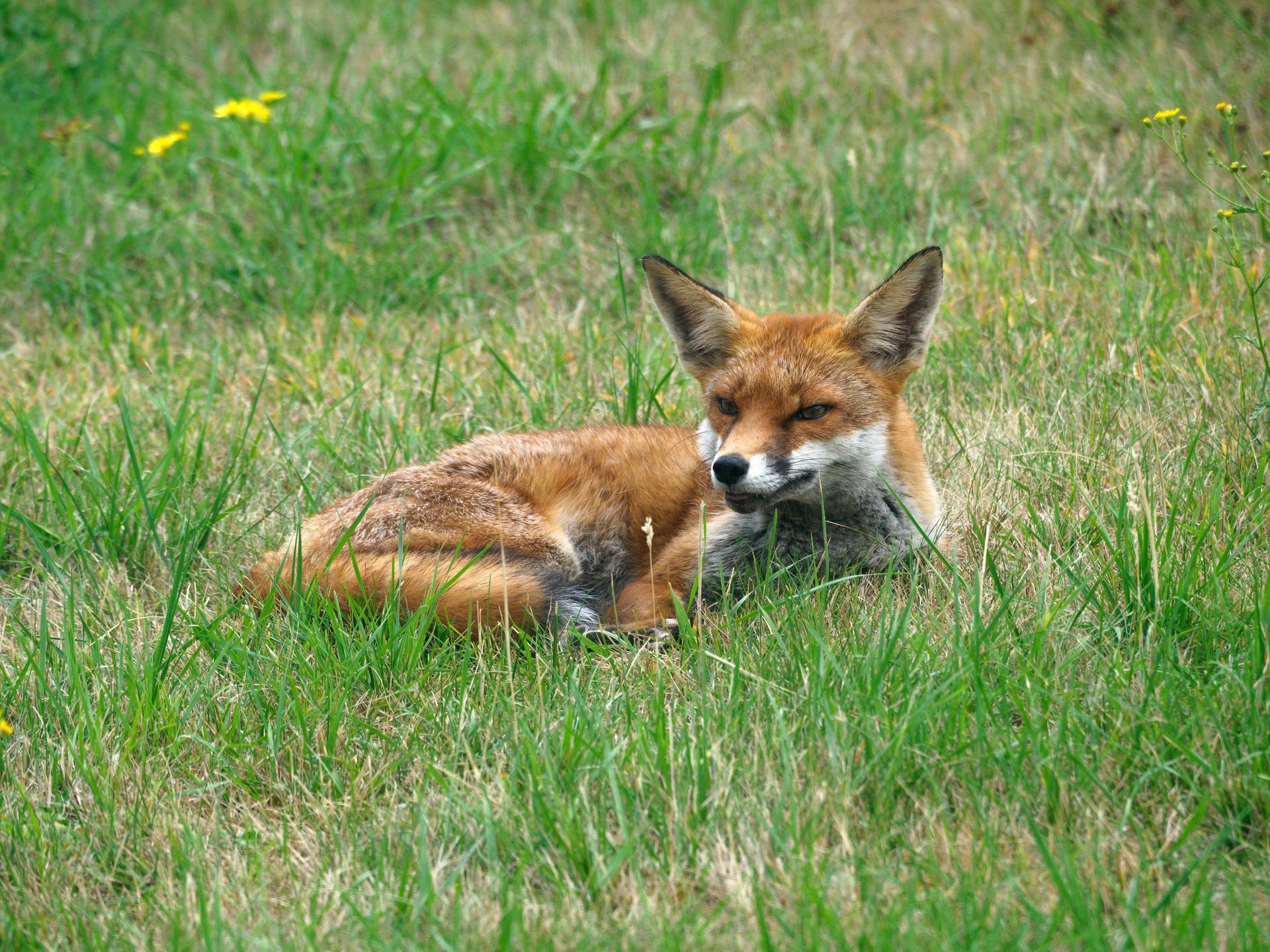
Humane Wildlife Control, Exclusion and Prevention
Wildlife behavior varies widely from one species to another, which is why nuisance animal removal requires a more specialized approach than standard pest treatment. A bat colony using an attic needs a different strategy than a groundhog living beneath a shed or a fox establishing a den near a wooded property edge. Understanding those differences helps determine which control and prevention methods are appropriate.
Animals can enter or settle around properties in many ways. Bats, squirrels, raccoons, and birds may use openings around roofs, vents, soffits, chimneys, fascia, or exterior transitions. Groundhogs, skunks, opossums, and foxes may take advantage of protected spaces beneath decks, porches, sheds, or other structures. Snakes and amphibians may move into garages, basements, crawl spaces, or damp sheltered areas.
Our process begins with an inspection of the property and the areas connected to the activity. We look for tracks, droppings, nesting material, burrows, structural damage, access points, odors, or other evidence that helps identify the species and determine how it is using the site.
Depending on the animal and circumstances, removal may involve one-way exclusion devices, humane trapping, eviction techniques, repellents, barriers, or other wildlife-specific methods. After the active problem is resolved, we may recommend repairs or exclusion work to close vulnerable areas and reduce the chances of another animal using the same location.
Cleanup and sanitation may also be necessary where wildlife has left droppings, urine, nesting debris, odors, or contaminated materials. By combining removal with prevention and property protection, we can provide a more complete solution than simply addressing the visible animal.
Nuisance Wildlife Removal FAQs
Wildlife problems are not always obvious at first. Property owners may hear noises in a ceiling, notice damage around a garden, find droppings near a garage, or see an animal crossing the yard repeatedly without knowing where it is living. These clues can help determine whether wildlife has established shelter on or inside the property.
Southern Connecticut properties can experience activity throughout the year. Seasonal temperatures, breeding behavior, available food, weather conditions, and habitat can all influence when animals move closer to buildings. Recognizing changes around the property and scheduling an inspection when something seems unusual can help identify a problem before damage becomes more extensive..
What animals are considered nuisance wildlife in Connecticut?
Common nuisance wildlife includes bats, squirrels, raccoons, opossums, skunks, birds, foxes, groundhogs, snakes, and other reptiles or amphibians. Whether an animal is considered a nuisance usually depends on where it is living, whether it is damaging property, and whether it creates a safety or sanitation concern.
What signs indicate wildlife may be living on my property?
Common signs include scratching, thumping, chirping, or movement sounds; droppings; damaged vents or soffits; burrow openings; tracks; torn insulation; nesting material; unusual odors; disturbed trash; damaged landscaping; or repeated sightings near the same section of a building.
How does wildlife get into homes and commercial buildings?
Animals can use damaged vents, gaps along rooflines, soffits, fascia, chimneys, siding, crawl-space openings, foundation gaps, and other weak areas. Some animals can enlarge existing openings, while others simply take advantage of spaces that were already accessible.
Are nuisance wildlife removal methods humane?
Humane wildlife control focuses on resolving conflicts without unnecessary harm. Depending on the species and conditions, methods may include eviction, one-way exclusion, live trapping, repellents, or a combination of approaches. The property can then be repaired or secured to reduce the likelihood of re-entry.
Can nuisance wildlife damage my property?
Yes. Wildlife may tear insulation, damage vents, chew wood or wiring, disturb roofing, create burrows, damage landscaping, contaminate enclosed spaces, or leave droppings and urine behind. The type and severity of damage depend on the species, location, and length of time the animal has been present.
How can I help prevent wildlife from returning?
Prevention may include sealing structural openings, repairing vents and soffits, securing garbage, removing outdoor food sources, maintaining landscaping, protecting spaces beneath decks and sheds, and addressing other areas where animals can find shelter. A professional inspection can help identify the most important vulnerabilities on a specific property.
Schedule Nuisance Wildlife Removal in Southern Connecticut
If you are hearing unexplained noises, noticing wildlife around the same area repeatedly, finding burrows or droppings, or seeing damage around your home or business, Soundview Wildlife Control can help determine what is happening. We provide nuisance wildlife removal throughout Madison, Guilford, Branford, Clinton, Killingworth, New Haven, East Haven, Durham, New London, and nearby Southern Connecticut communities.
Our approach is based on the animal, the building, and the surrounding property. We inspect for active wildlife, evaluate likely access points and den locations, and recommend a solution that may include removal, exclusion, cleanup, sanitation, deterrents, or repairs. This helps address both the immediate concern and the conditions that may be allowing wildlife to remain nearby.
From animals in attics and crawl spaces to foxes, groundhogs, skunks, or other wildlife denning around exterior structures, professional assessment can make it easier to choose the right next step. Avoid attempting to corner or handle unfamiliar wildlife, especially when the species or health status is unknown.
Use the contact form below to describe what you have noticed, where the activity is occurring, and whether the property is residential or commercial. Include any sounds, damage, sightings, tracks, odors, or other evidence you have observed so the situation can be evaluated more accurately.
Contact Us
We will get back to you as soon as possible.
Please try again later.