
Rodent Control
Rodent Control in Southern Connecticut
Mice and rats can create serious problems inside homes and commercial properties, especially when they find dependable access to food, water, and shelter. Soundview Wildlife Control provides professional rodent control throughout Southern Connecticut, helping property owners identify active infestations, remove mice and rats, and reduce the openings and conditions that allow them to return.
We serve Madison, Guilford, Branford, Clinton, Killingworth, New Haven, New London, and surrounding communities across New Haven, Middlesex, and New London Counties. Connecticut’s seasonal temperature changes can increase rodent pressure around buildings, particularly during fall and winter when mice and rats begin searching for warmer, protected environments. Older foundations, attached garages, crawl spaces, basements, utility penetrations, roof gaps, and small openings around pipes can all provide access.
Rodents may stay hidden for long periods, so the first signs are often indirect. Droppings, gnaw marks, damaged food packaging, shredded insulation, nesting material, unusual pet behavior, or scratching sounds inside walls and ceilings can all indicate activity. Because rodents reproduce quickly, even a small problem can become more difficult to manage when entry points and nesting areas are left unaddressed.
Our approach combines inspection, targeted control, exclusion, and prevention. Rather than focusing only on the rodents that are visible, we look at how they are moving through the property, where they may be nesting, and what structural or environmental conditions are supporting the infestation..
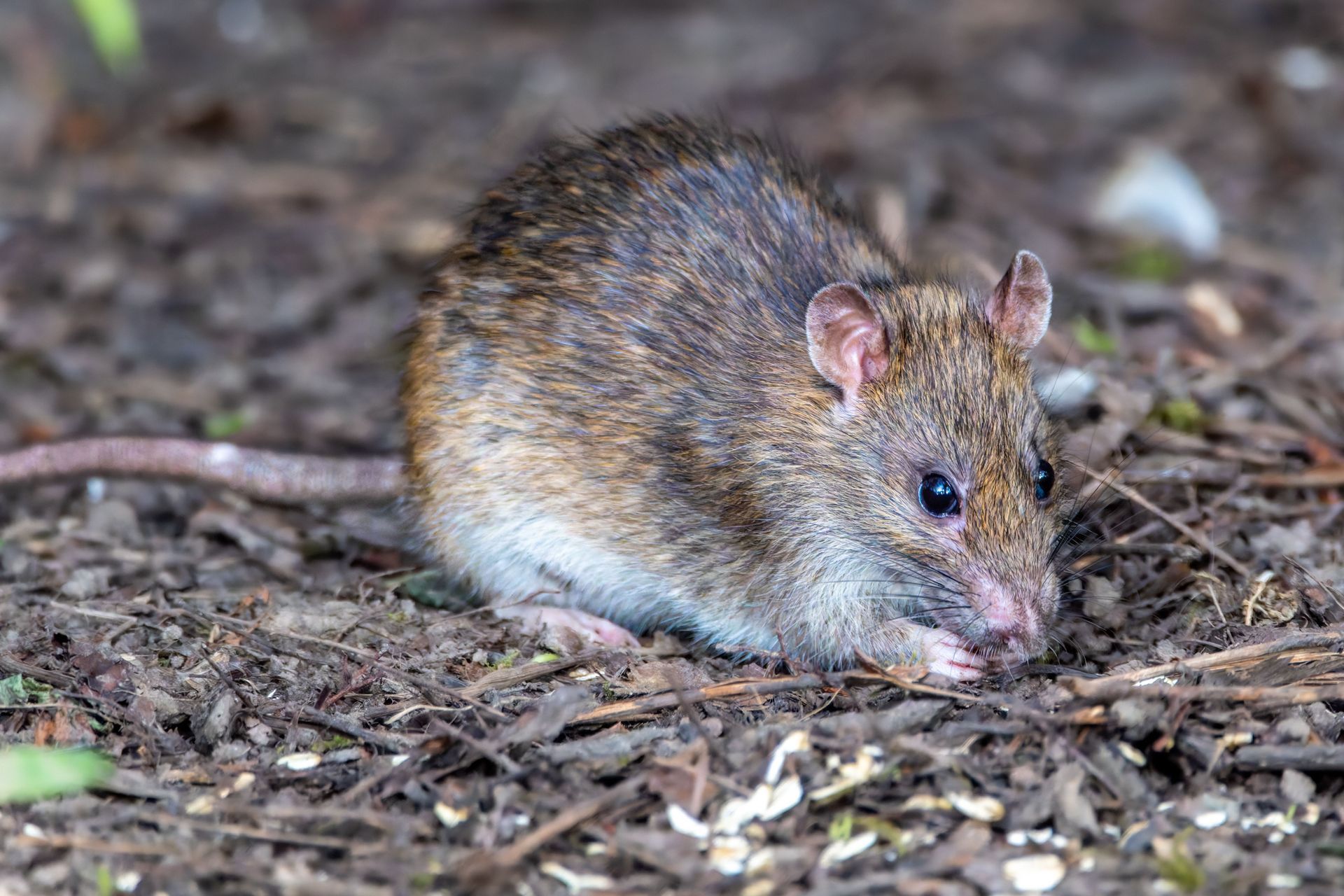
Mouse & Rat Control for Connecticut Properties
Effective rodent control begins with a detailed inspection. Mice can fit through very small openings, while rats may take advantage of larger gaps around foundations, utility lines, vents, garage doors, or exterior transitions. We inspect likely travel routes, nesting areas, food sources, and entry points to understand the full extent of the problem.
Treatment may include trapping, professional baiting, monitoring, or a combination of control methods depending on the property and level of activity. Products such as Contrac All-Weather Blox and Final All-Weather Blox may be used where appropriate to target mice and rats. Placement and product selection are based on site conditions, with attention to responsible application.
Exclusion is a major part of long-term rodent management. Xcluder materials and other professional-grade products can be used to block gaps around pipes, vents, foundations, siding, and other vulnerable areas. Simply removing rodents without closing access points can allow new activity to begin, especially in neighborhoods where mice and rats are already established outdoors.
Odor and sanitation issues may also need attention. Rodents can contaminate insulation, storage spaces, cabinetry, wall voids, and other areas with droppings, urine, and nesting debris. Depending on the circumstances, cleaning recommendations and odor-control products such as Nature-Cide may be incorporated into the service plan.
Prevention also involves reducing the resources rodents depend on. Sealing food, managing pet food, eliminating clutter, repairing moisture problems, securing garbage, and keeping vegetation away from the building can help make a property less attractive. Combining structural repairs with targeted control gives Southern Connecticut property owners a more complete strategy than relying on traps alone..
Rodent Control FAQs
Rodent activity is often discovered after mice or rats have already established routes through a property. They tend to travel along walls, behind appliances, through attics, inside basements, and along concealed pathways where they can remain unnoticed. Understanding the signs of an infestation helps property owners respond before damage or contamination becomes more extensive.
Homes throughout Madison and neighboring shoreline communities can experience rodent activity year-round, but seasonal cooling often increases pressure indoors. Waterfront areas, wooded lots, older neighborhoods, restaurants, storage areas, and buildings near dense vegetation may all provide suitable conditions for rodents.
How do I know if I have mice or rats in my home?
Common signs include droppings, scratching or movement noises, gnaw marks, damaged food containers, shredded paper or insulation, greasy rub marks, and unusual pet behavior. You may also find nesting material in cabinets, basements, attics, garages, or storage areas.
Are mice and rats dangerous to people or pets?
Rodents can contaminate food and surfaces with droppings and urine, and they may carry bacteria, parasites, and other pathogens. They can also damage wiring and building materials through constant gnawing. Pet contact with rodents or contaminated areas can create additional concerns.
What attracts rodents to Connecticut homes?
Food, water, warmth, and shelter are the main attractants. Unsealed pantry items, pet food, garbage, bird seed, standing water, clutter, stored materials, and accessible openings around the exterior can all make a property more appealing to mice and rats.
How do mice and rats get inside buildings?
Rodents commonly enter through gaps around doors, foundations, vents, pipes, utility lines, roof edges, siding, garages, and crawl spaces. Mice can squeeze through particularly small openings, which makes a thorough exterior inspection important when developing an exclusion plan.
Why do rodents keep coming back after traps are used?
Traps can reduce the current population, but they do not automatically correct the reason rodents entered. If access points, food sources, moisture, or nesting areas remain available, new mice or rats may continue moving into the building. Exclusion and prevention are essential for lasting results.
What is the best way to prevent another rodent infestation?
Seal structural gaps, store food securely, keep pet food contained, reduce clutter, manage garbage, repair leaks, and trim vegetation away from the building. Professional monitoring and exclusion can also help identify areas that may not be obvious to the property owner.
Schedule Rodent Control in Southern Connecticut
If you are hearing scratching inside walls, finding droppings, noticing chewed materials, or seeing mice or rats around your property, Soundview Wildlife Control can help determine the source of the activity. We provide professional rodent control throughout Madison, Guilford, Branford, Clinton, Killingworth, New Haven, New London, and nearby Southern Connecticut communities.
Our service is built around more than simply setting traps. We evaluate where rodents are traveling, identify likely nesting locations, inspect potential access points, and recommend a combination of control and exclusion based on the property. Depending on the situation, that may include trapping, baiting, monitoring, structural sealing, sanitation recommendations, and prevention measures.
Taking action early can help reduce contamination, protect stored food, limit damage to insulation and wiring, and prevent a small infestation from expanding. Rodent problems can become more difficult to resolve when colonies remain undisturbed behind walls, inside attics, or beneath flooring.
Use the contact form below to describe what you have noticed, where the activity is occurring, and whether the property is residential or commercial. Include details about droppings, noises, damaged food packaging, visible rodents, or possible entry points so our team can better determine the next step for rodent control in Southern Connecticut.
Contact Us
We will get back to you as soon as possible.
Please try again later.