
Pest Damage Repair
Pest Damage Repair in Southern Connecticut
Pest activity can leave behind far more than a temporary inconvenience. Rodents, termites, carpenter ants, fleas, mites, and other pests can damage structural materials, contaminate insulation, affect wiring, leave behind droppings or nesting debris, and create conditions that continue long after the infestation itself has been addressed. Soundview Wildlife Control provides professional pest damage repair throughout Southern Connecticut to help restore affected areas and strengthen vulnerable parts of the property.
We serve Madison, Guilford, Branford, Clinton, Killingworth, New Haven, New London, and surrounding communities across New Haven, Middlesex, and New London Counties. Properties throughout the Connecticut shoreline may be especially vulnerable because moisture, wooded surroundings, older construction, basements, crawl spaces, and seasonal pest activity can create favorable conditions for insects and rodents.
Damage is not always obvious from the surface. Rodents may chew wiring behind walls, termites can affect wood from the inside, carpenter ants may excavate weakened or moisture-damaged areas, and pest activity can leave insulation or enclosed spaces contaminated. That is why repair should begin with understanding exactly what was affected and whether the conditions that supported the pest problem are still present.
Our goal is to help return damaged areas to a cleaner, safer, and more functional condition while also reducing the chance that pests take advantage of the same vulnerabilities again..
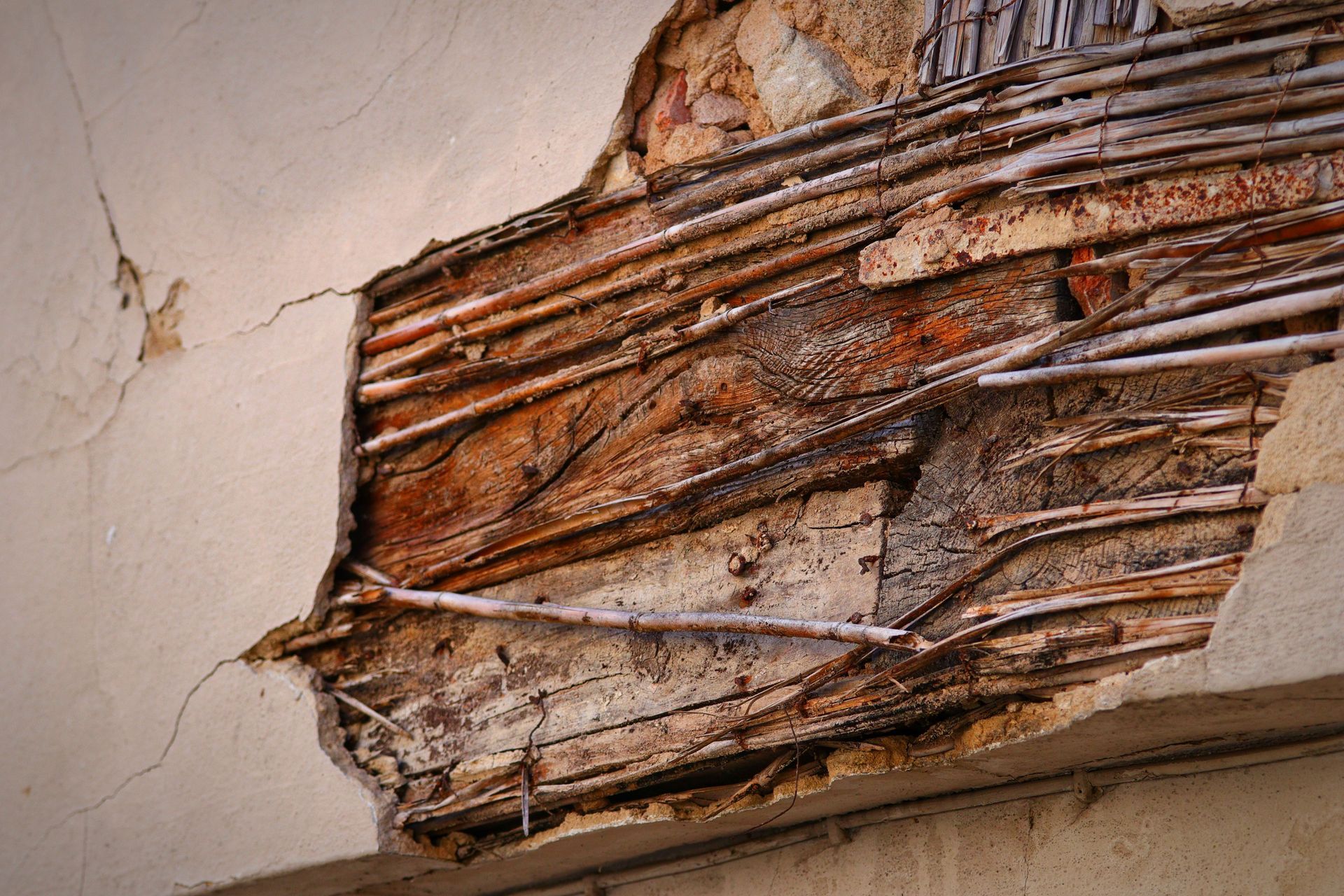
Repairing Structural and Interior Pest Damage
Different pests create different types of damage, so repair work should reflect the source of the problem. Rodents may chew through electrical wiring, insulation, packaging, wood, and other materials while moving through attics, basements, or wall cavities. Termites may weaken wood over time, while carpenter ants can tunnel through moisture-damaged lumber to establish nesting galleries.
Soundview Wildlife Control can help address damage to attics, roofs, walls, floors, ceilings, insulation, and other parts of the property affected by pest activity. When rodents or other pests have compromised building materials, we evaluate what needs to be repaired, reinforced, removed, or replaced based on the condition of the area.
Electrical damage is especially important to take seriously. Mice, rats, and other rodents are persistent chewers, and damaged wiring can create a potential safety concern. Pest damage repair may include identifying affected areas and coordinating appropriate repair when electrical components have been compromised.
Sanitation and decontamination can also be an important part of restoration. Droppings, urine, nesting material, dead pests, and other debris may remain behind after an infestation has been controlled. These materials can contribute to odors, staining, contamination, and ongoing pest attraction if they are ignored.
Preventative repairs help complete the process. Gaps around pipes, vents, foundations, siding transitions, crawl spaces, and other openings may need to be sealed or reinforced. Addressing moisture, drainage, damaged wood, or other conducive conditions can also make a property less inviting to future infestations. By combining repair, sanitation, and prevention, we help Southern Connecticut property owners move beyond the immediate pest problem..
Pest Damage Repair FAQs
Pest damage often develops in hidden areas, which can make it difficult to know how extensive the problem really is. A homeowner may discover droppings in an attic but not realize wiring has been chewed nearby. Carpenter ants may be visible around a window while the actual nesting area is deeper inside moisture-damaged wood. Termite activity may be present behind finished surfaces with few exterior warning signs.
Homes throughout Madison and nearby shoreline communities can face added challenges from humidity, seasonal temperature changes, aging exterior materials, and wooded surroundings. These factors can contribute to pest entry and moisture issues, which may increase the likelihood of damage over time.
What types of pest damage can be repaired?
Pest damage repair may include affected insulation, drywall, ceilings, floors, wood framing, vents, exterior openings, crawl-space materials, and other structural components. The exact repair depends on the pest involved, the extent of the damage, and whether contamination or moisture is also present.
Can rodents damage electrical wiring?
Yes. Mice and rats commonly gnaw wiring while moving through walls, basements, crawl spaces, and attics. This can damage insulation around electrical conductors and create a potential fire or electrical hazard. Suspected wiring damage should be evaluated rather than left untreated.
Can termite or carpenter ant damage be repaired?
Yes, but the active pest problem should be controlled first. Once activity has been addressed, damaged wood and related building materials can be assessed for repair or replacement. Moisture issues and other conditions that contributed to the infestation should also be corrected when possible.
Do you clean contaminated areas after pest activity?
Sanitation may be part of the restoration process when pests have left behind droppings, urine, nesting debris, odors, or contaminated insulation. Depending on the severity, affected materials may need to be removed, cleaned, disinfected, deodorized, or replaced.
How do I know if pest damage is hidden behind walls or ceilings?
Warning signs may include scratching sounds, stains, sagging materials, unusual odors, droppings, damaged trim, soft wood, unexplained holes, or pest activity near the same area repeatedly. An inspection can help determine whether the visible evidence points to additional concealed damage.
How can repairs help prevent another infestation?
Repairing damage is most effective when entry points and contributing conditions are addressed at the same time. Sealing gaps, reinforcing vulnerable areas, repairing moisture-damaged wood, improving ventilation, and closing openings around foundations or utilities can reduce future pest access.
Schedule Pest Damage Repair in Southern Connecticut
If rodents, termites, carpenter ants, or other pests have damaged your home or business, Soundview Wildlife Control can help determine what needs attention after the infestation is controlled. We provide pest damage repair and restoration throughout Madison, Guilford, Branford, Clinton, Killingworth, New Haven, New London, and nearby Southern Connecticut communities.
Our process begins by evaluating the affected areas and identifying the type of damage that remains. That may involve compromised insulation, chewed materials, contaminated spaces, damaged walls or ceilings, structural wood deterioration, wiring concerns, or exterior openings that allowed pests to enter.
We also look at the conditions surrounding the damage. If moisture, structural gaps, damaged vents, foundation openings, or other vulnerabilities are still present, repairing only the visible damage may not be enough. Preventative repairs can help protect the restored area and make it harder for pests to re-enter.
Use the contact form below to describe what type of pest problem occurred, where the damage is located, and what you have noticed since treatment or removal. Include details about odors, droppings, damaged materials, wiring concerns, wood deterioration, or visible openings so our team can better understand the situation and recommend the appropriate next step for pest damage repair in Southern Connecticut..
Contact Us
We will get back to you as soon as possible.
Please try again later.